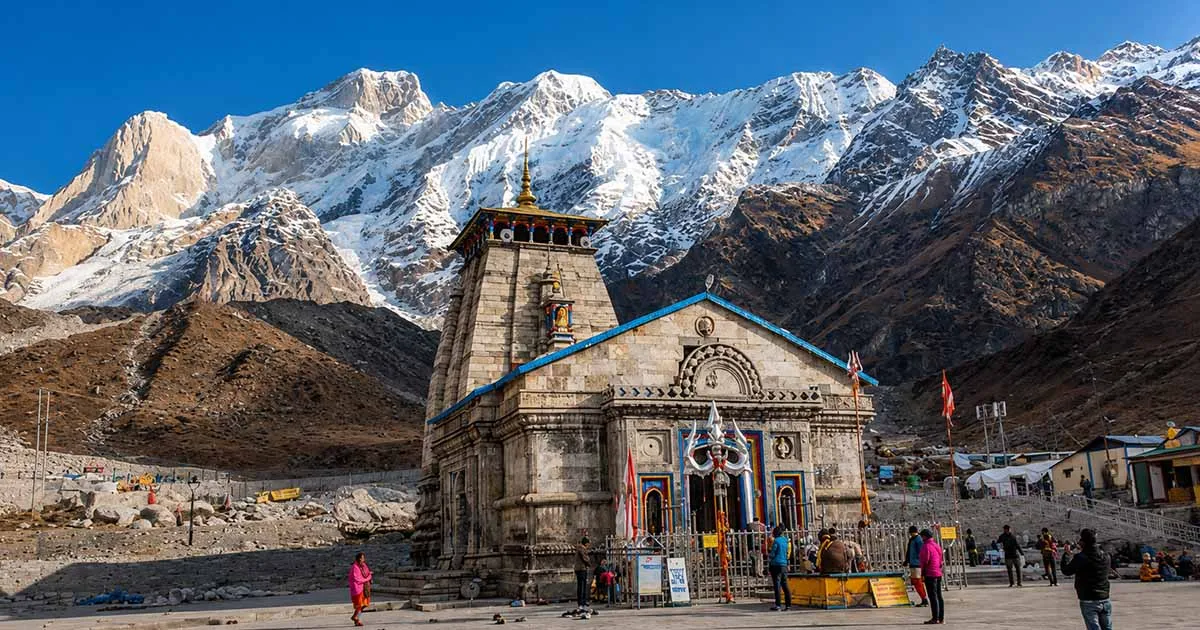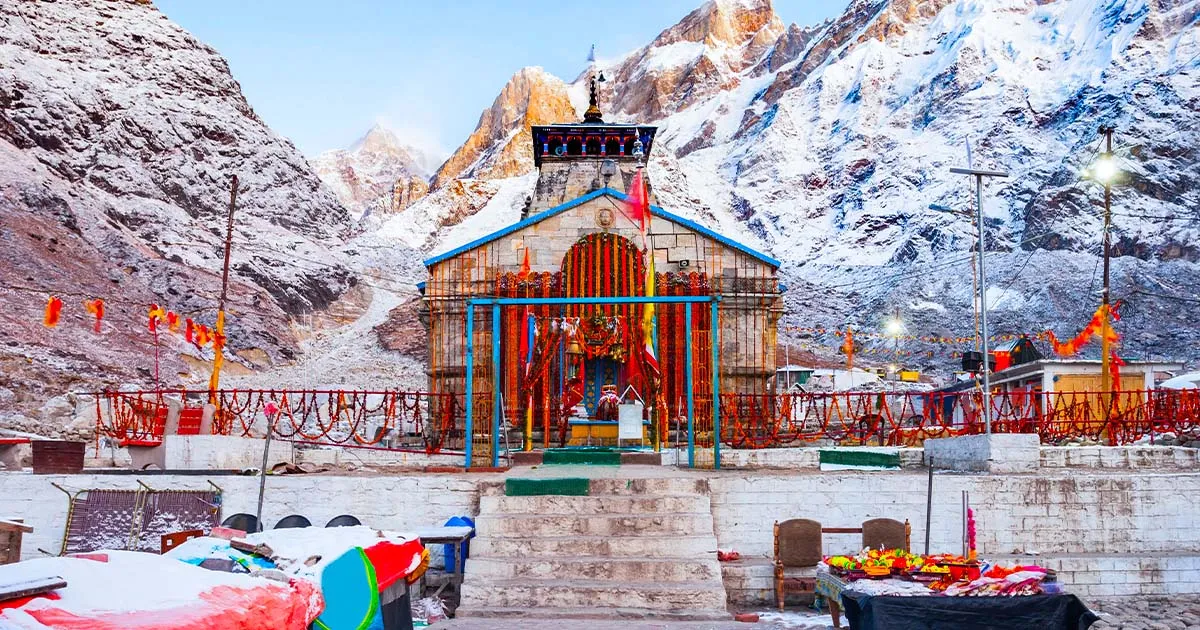
Char Dham is the collective name of the four holy abodes considered among the most sacred pilgrimage destinations in India, where millions of devotees travel every year. Kedarnath, Badrinath, Gangotri, and Yamunotri together form the revered Char Dham Yatra circuit. Nestled amidst the majestic Himalayan range, Kedarnath Dham is situated at an altitude of approximately 3,584 meters above sea level, making it one of the highest Jyotirlinga temples in the world.
Among the four dhams, Kedarnath Yatra is regarded as extremely sacred, as it is associated directly with Lord Shiva and houses one of the 12 Jyotirlingas of India. Every year, over one lakh devotees undertake the arduous journey to the Himalayas to pay homage at this ancient and magnificent temple. According to Hindu belief, this is the place where Lord Shiva resided and later granted liberation to devotees seeking Moksha.
Spiritual & Architectural Significance of Kedarnath
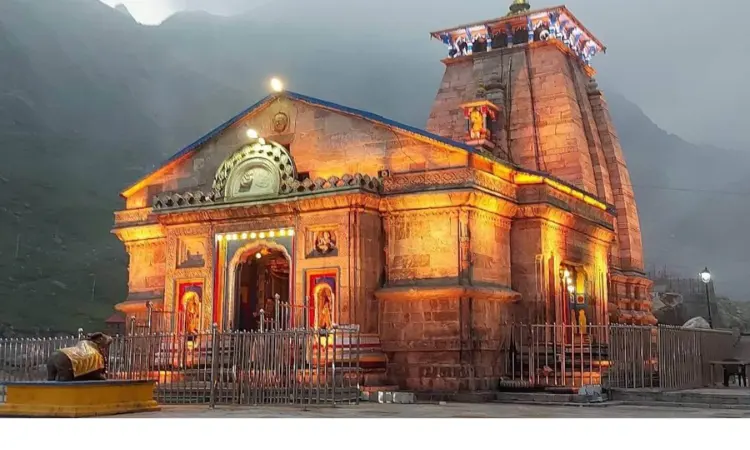
For Hindus, the Kedarnath Yatra is not just a journey but a deeply spiritual experience. The grandeur of the temple, built using massive stone slabs, stands as a testament to ancient Indian architectural brilliance. The temple walls are intricately carved with images of various Hindu deities and mythological scenes from the epics.
A large and sacred Nandi Bull statue sits outside the main sanctum, facing the temple entrance. It is believed that Nandi guards the shrine from negative energies and evils. The temple lies on the banks of the Mandakini River, surrounded by snow-covered peaks, serene valleys, and a spiritually charged atmosphere.
Apart from the main shrine, pilgrims and tourists also visit:
-
Gandhi Sarovar
-
Samadhi of Adi Shankaracharya
-
Vasuki Tal
-
Kedarnath Musk Deer Sanctuary
-
Bhairavnath Temple
Trekking enthusiasts also find Kedarnath highly appealing due to its scenic trails and panoramic Himalayan views.
Seasonal Footfall & Modern Access
While Kedarnath holds immense religious value, it also attracts tourists from across the globe for its natural beauty. May and June witness the highest footfall, as thousands of Lord Shiva devotees arrive during the peak summer pilgrimage season.
During winter, due to heavy snowfall, the idol of Shri Kedareshwar is ceremonially moved from Kedarnath after lighting the sacred Nanda Deepam, and the temple is closed. During this period, worship continues at Ukhimath, where the deity resides until the temple reopens.
The devastating 2013 Kedarnath floods led to major infrastructural changes. After the disaster, trekking routes were rebuilt and improved for pilgrim safety. Today, Kedarnath Yatra by helicopter has emerged as a preferred option, especially for senior citizens and time-bound travelers.
Kedarnath Opening and Closing Dates
The opening and closing of Kedarnath Temple do not follow fixed calendar dates. These are determined annually by the priests based on Akshaya Tritiya and Bhai Dooj after Diwali.
The sacred decision is taken at the Omkareshwar Temple, where the priests announce the official dates.
-
Temple Opening: Usually around late April or early May
-
Temple Closing: Generally after Bhai Dooj, in October or November
During winter closure, rituals are performed at Ukhimath, as Kedarnath remains snowbound.
Kedarnath 2025 (Reference Information)
| Details | Dates |
|---|---|
| Opening Date | 2 May 2025 |
| Closing Date | 23 October 2025 (Tentative) |
(Dates vary yearly; pilgrims should always check the latest official announcements.)
Kedarnath Temple Timings
| Ritual | Time |
|---|---|
| Morning Aarti | 04:00 AM – 07:00 AM |
| General Darshan (Morning) | 07:00 AM – 03:00 PM |
| Temple Closed | 03:00 PM – 05:00 PM |
| Evening Aarti | 06:00 PM – 07:30 PM |
| General Darshan (Evening) | 05:00 PM – 07:00 PM |
| Entry Fee | Free |
History of Kedarnath
The name Kedarnath is believed to be derived from King Kedar, associated with Satya Yuga. According to Hindu scriptures, this is the place where Lord Shiva absolved the Pandavas of the sins committed during the Mahabharata war.
As per legend, Lord Shiva disguised himself as a bull to avoid the Pandavas. When recognized, he submerged into the earth, leaving behind his hump at Kedarnath. Hence, the Jyotirlinga here represents the hind part of Mahisha (bull).
It is believed that:
-
The original temple was built by the Pandavas
-
The present stone structure was restored by Adi Shankaracharya in the 8th century
-
His Samadhi lies behind the temple
Nearby lies Mahapanth, often referred to as the “Highway to Heaven”, associated with salvation beliefs.
Ways to Reach Kedarnath
The traditional Kedarnath route begins from Haridwar, passes through Rishikesh, Devprayag, Srinagar, Rudraprayag, and Sonprayag, finally reaching Gaurikund.
From Gaurikund:
-
16 km uphill trek to Kedarnath
-
Takes approximately 6–8 hours
-
Options include trekking, ponies, palanquins, and pitthus
-
Rest shelters and medical aid posts available
Pilgrims traditionally bathe in the hot water spring at Gaurikund and pray at the local temple before beginning the trek.
Kedarnath Yatra by Helicopter
Helicopter services operate from Phata, Sersi, and Guptkashi. The flight duration is around 10–15 minutes, making it the fastest and most comfortable option.
Due to increasing demand and government regulation:
-
Helicopter slots are limited
-
Advance booking is strongly advised
-
Weather conditions play a crucial role in operations
Weather in Kedarnath
Summer (May–June)
-
Temperature: 16°C – 19°C
-
Pleasant weather and clear skies
-
Ideal for darshan and trekking
Monsoon (July–September)
-
Frequent rainfall and landslides
-
Travel disruptions common
-
Not recommended for pilgrimage
Winter (November–April)
-
Heavy snowfall
-
Temple closed
-
Temperatures drop below 0°C
Best Time to Visit Kedarnath
The best time to visit Kedarnath is:
-
May–June
-
September–October
Even in summer, nights are cold, so warm clothing is essential year-round.
Hotels & Accommodation
Accommodation options include:
-
GMVN Kedarnath
-
Dharamshalas
-
Budget lodges
-
Camps near base locations
Booking in advance is highly recommended during peak season.
Places to Visit in Kedarnath
The Kedarnath Yatra astonishes you with the lovely surroundings and places you can visit. The holy places to visit in Kedarnath are as follows:
Kedarnath Temple
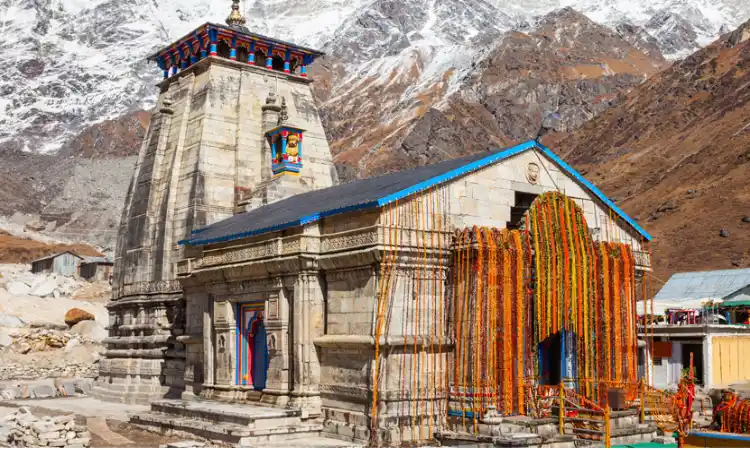
The Kedarnath Temple is one of the holiest temples in India according to the Hindu religion. It is located on the bank of the Mandakini River in Kedarnath. Its origin is said to be ancient, from the time of the Mahabharata when the Pandavas built the temple to free themselves from the sin of killing their kin. The architecture is superb, with numerous carvings of Hindu deities that are very attractive and pleasant to see.
Chorabari Tal
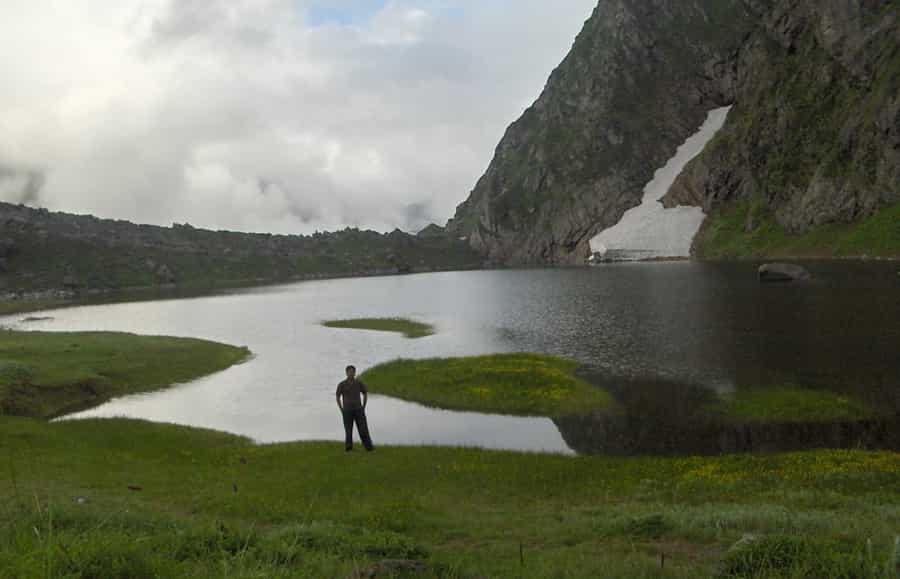
Chorabari Tal, also known as Gandhi Tal, is an ancient lake formed from the glacier of Chorabari. It is believed that this is the place where Lord Shiva enlightened the Saptarishis by imparting his knowledge of Yoga. It is also said that Yudhishthira, the eldest of the Pandavas, departed to heaven from here. In 1948, the ashes of Gandhiji were immersed here as well. The sight of this lake, with ice floating on the water, is truly fascinating.
Vasuki Tal

Vasuki Tal is a beautiful location about 4,135 meters above sea level, located in the mountains. It is a crystal-clear lake that appeals to everyone who visits. There are also attractive camping and trekking spots here, offering impressive views of the Chaukhamba peaks.
Gaurikund
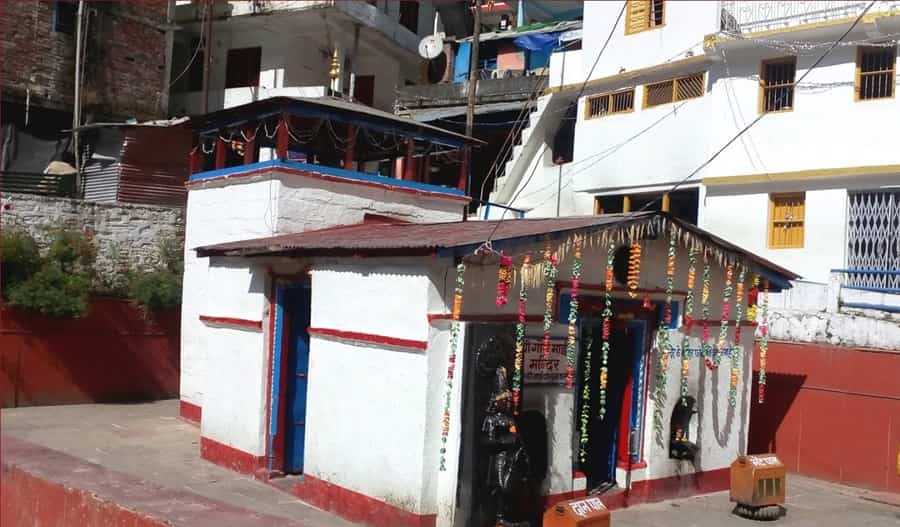
Gaurikund is a trekking point when doing the Kedarnath Yatra. This place is named after Goddess Parvati, and the Gauri Temple is also located here. It is believed that Lord Shiva accepted the proposal to marry Goddess Parvati here. The place is an absolute beauty with lush greenery and the Vasuki Ganga flowing below. Natural thermal springs with medicinal value are also found here.
Triyuginarayan
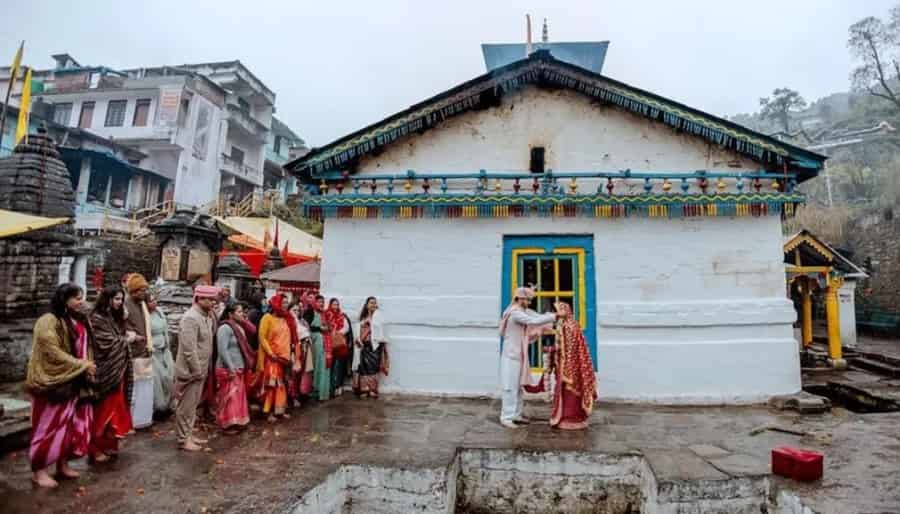
Triyuginarayan is said to be the place where Lord Shiva married Goddess Parvati. Even today, an eternal flame is believed to burn here in front of the temple, symbolizing the divine marriage that took place.
There are other places you can add to your visiting list, such as Kedarnath Wildlife Sanctuary, the Samadhi of Adi Guru Shankaracharya, Gandhi Sarovar, Bhairavnath Temple, Sonprayag, Guptkashi, and valleys for trekking.
Conclusion
Kedarnath Dham stands as a symbol of faith, endurance, and divine power. Surrounded by the mighty Himalayas, the temple offers a spiritual experience unlike any other. Whether undertaken on foot or by helicopter, the Kedarnath Yatra remains one of the most transformative pilgrimages in Hinduism.
With improved infrastructure, regulated access, and enhanced safety measures, Kedarnath continues to welcome devotees while preserving its sacred legacy for generations to come.
Frequently Asked Questions about Kedarnath Yatra
1. Where is Kedarnath Dham located?
Kedarnath Temple is located in the Rudraprayag district of Uttarakhand, in the Garhwal Himalayas. The temple stands at an altitude of around 3,584 meters above sea level.
2. What is the religious importance of Kedarnath Temple?
Kedarnath is one of the twelve Jyotirlingas of Lord Shiva. It is believed that the Pandavas worshipped Lord Shiva here to seek forgiveness for their sins after the Mahabharata war.
3. When does Kedarnath Temple open every year?
Kedarnath Temple usually opens in late April or early May, around the time of Akshaya Tritiya. The exact opening date is decided by the priests of Ukhimath.
4. Why is Kedarnath Temple closed during winter?
Due to heavy snowfall and extreme weather conditions, the temple is closed during winter months. During this period, daily worship is performed at Ukhimath instead of Kedarnath.
5. How can pilgrims reach Kedarnath?
Pilgrims can travel by road up to Gaurikund. From there, a trek of around 16 km leads to Kedarnath. Helicopter services are also available for those who prefer not to trek.
6. What is the best time to visit Kedarnath?
The best time to visit Kedarnath is from May to June and from September to October, when the weather is relatively stable and suitable for travel and darshan.
7. Is Kedarnath Yatra suitable for senior citizens?
Yes, senior citizens can undertake the yatra, but they should consult a doctor before planning the trip. Helicopter services and mule facilities are available to make the journey easier.
8. Is the Kedarnath trek difficult?
The trek is considered moderate to difficult due to high altitude and changing weather conditions. Proper physical preparation and pacing are important for a safe journey.
9. Is registration mandatory for Kedarnath Yatra?
Yes, government registration is mandatory for all pilgrims. Registration helps authorities manage crowd control and ensure pilgrim safety during the yatra.
10. What improvements were made after the 2013 Kedarnath disaster?
After the 2013 disaster, major improvements were made in infrastructure, including better roads, bridges, trekking paths, and safety arrangements to make the yatra safer for pilgrims.
- Must Read: Kedarnath Yatra Registration Guide 2026