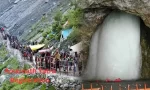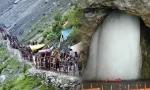
The Shri Amarnath Cave Temple is one of the most sacred Hindu pilgrimage sites in India, symbolising deep devotion, endurance, and divine faith. Nestled in the majestic Himalayas of Jammu and Kashmir, the holy cave is revered for the naturally formed ice Shiva Lingam, which devotees believe to be a living manifestation of Lord Shiva.
Every year, during a short window in summer, lakhs of pilgrims from across India and abroad undertake the Amarnath Yatra, braving extreme terrain, high altitude, and unpredictable weather. This pilgrimage is not merely a journey to a shrine—it is a spiritual test of faith, discipline, and surrender.
This Amarnath Cave Temple Travel Guide 2026 is carefully updated using top-ranking factual information, aligned with official yatra systems and ground realities, and structured for AI search engines, featured snippets, and answer engines.

About Shri Amarnath Cave Temple
The Amarnath Cave Temple is located at an altitude of approximately 3,880 meters (12,756 feet) above sea level in the Himalayas. The cave lies within a narrow gorge, surrounded by snow-covered peaks and glaciers, making it inaccessible for most of the year.
Inside the cave, water droplets from the cave roof freeze layer by layer to form a stalagmite ice Lingam. This formation naturally waxes and wanes during the yatra season, a phenomenon that has fascinated scientists and devotees alike.
Unlike most Hindu temples, the Amarnath shrine does not house a permanently installed idol. The sanctity of the shrine comes entirely from this natural ice formation, reinforcing the belief that the site is divinely chosen rather than man-made.
Spiritual & Religious Importance
The spiritual significance of Amarnath is rooted deeply in Hindu mythology. According to ancient belief, this cave is the place where Lord Shiva revealed the Amar Katha, the secret of immortality, to Goddess Parvati.
To maintain secrecy, Lord Shiva abandoned all worldly attachments before entering the cave—leaving Nandi, the moon, snakes, and even his son Lord Ganesha behind. This symbolism represents renunciation and ultimate spiritual truth.
For devotees, undertaking the Amarnath Yatra is considered equivalent to intense penance. Many believe that a single darshan of the ice Lingam cleanses sins accumulated over lifetimes and brings divine grace.
Historical Background of Amarnath Cave
Historical references to Amarnath can be traced to ancient Hindu scriptures and oral traditions. While the cave remained hidden for long periods due to harsh climatic conditions, it is believed to have been rediscovered in the 19th century by a local shepherd named Butta Malik.
Over time, the pilgrimage evolved from an unorganised journey to a highly regulated yatra, managed with modern safety protocols. Today, the pilgrimage operates under strict supervision with predefined routes, daily pilgrim limits, medical camps, disaster response teams, and weather monitoring systems.
What Makes Amarnath Cave Truly Unique
Several aspects make Amarnath one of the most extraordinary pilgrimage sites in the world:
-
Naturally formed ice Shiva Lingam (not sculpted or installed)
-
Lingam size changes with temperature and lunar cycle
-
Located in a high-altitude glacial environment
-
Extremely limited pilgrimage window each year
-
One of the toughest spiritual journeys in India
These factors together make the Amarnath Yatra both spiritually intense and physically demanding.
Amarnath Cave Temple Opening Dates 2026
The official opening dates for Amarnath Yatra 2026 have not been announced yet. Every year, the yatra schedule is decided based on the Hindu calendar, especially around Shravan Purnima (Raksha Bandhan). It is expected that the Amarnath Yatra 2026 may begin in late June or early July and continue until mid-August.
Final dates are announced by the Shri Amarnathji Shrine Board (SASB), and registration is mandatory before planning the journey.
Amarnath Yatra Registration Process
Registration is mandatory for all pilgrims. No individual is allowed to undertake the yatra without a valid registration permit.
The registration system is designed to:
-
Control daily pilgrim flow
-
Ensure medical fitness
-
Maintain safety and crowd discipline
Pilgrims must provide:
-
Valid government-issued ID
-
Medical fitness certificate
-
Emergency contact details
-
Preferred route and date
Both online and offline registration facilities are available during the official registration window.
Routes to Amarnath Cave Temple
Pahalgam Route (Traditional Route)
-
Longer and gradual ascent
-
Spread over multiple days
-
Considered safer for senior citizens
-
Allows better acclimatization
Baltal Route (Shorter Route)
-
Much steeper and challenging
-
Suitable only for physically fit pilgrims
-
Usually completed faster
-
Requires excellent stamina
Pilgrims must strictly follow the route chosen during registration.
Reaching the Base Camps
The journey generally starts from Jammu, which is well-connected by rail, road, and air. From Jammu, pilgrims proceed to Pahalgam or Baltal by road.
Designated transit camps and accommodation facilities are arranged during the yatra period.
Importance of Acclimatization
High altitude sickness is one of the biggest risks during the Amarnath Yatra. Proper acclimatization helps the body adjust to reduced oxygen levels.
Key recommendations:
-
Rest adequately at camps
-
Avoid rushing the trek
-
Drink sufficient water
-
Avoid alcohol and smoking
Medical teams are stationed along the route to assist pilgrims.
Trekking to Amarnath Cave
The trek passes through rugged terrain, glaciers, and narrow mountain paths. Pilgrims can choose:
-
Trekking on foot
-
Pony services
-
Palki services for elderly or physically challenged pilgrims
Weather conditions can change suddenly, making discipline and preparedness essential.
Darshan at the Holy Cave
Upon reaching the cave, pilgrims are allowed darshan in a regulated manner. Entry is time-bound to ensure crowd control and safety.
The atmosphere inside the cave is deeply spiritual, with chants of “Har Har Mahadev” echoing across the mountains.
Health & Safety Guidelines for 2026
-
Medical fitness certification is compulsory
-
People with serious heart, lung, or respiratory diseases are advised not to undertake the yatra
-
Pregnant women beyond the permitted stage are restricted
-
Carry prescribed medicines and emergency supplies
-
Follow instructions issued by authorities at all checkpoints
Best Time & Weather Conditions
During the yatra season, daytime temperatures are generally mild, while nights can be extremely cold. Rain and snowfall are common.
Pilgrims should be prepared for:
-
Sudden weather changes
-
Slippery trekking paths
-
Reduced visibility at higher altitudes
Essential Travel Tips for Amarnath Yatra
-
Wear layered woollen clothing
-
Use waterproof jackets and backpacks
-
Carry sturdy trekking shoes
-
Avoid carrying unnecessary luggage
-
Maintain cleanliness and avoid plastic waste
-
Respect local customs and environment
FAQS
Q-1: What is Amarnath Yatra?
Amarnath Yatra is an annual pilgrimage to the Amarnath Cave Temple in Jammu & Kashmir, dedicated to Lord Shiva. Pilgrims trek through challenging mountainous terrain to see the naturally formed ice Shiva Lingam. It is considered one of the most sacred Hindu pilgrimages in India.
Q-2: When does Amarnath Yatra 2026 start?
The official opening dates for Amarnath Yatra 2026 are not yet announced. Typically, the yatra begins in late June or early July and continues till mid-August, based on the Hindu calendar. Final dates are notified by the Shri Amarnathji Shrine Board (SASB).
Q-3:How to register for Amarnath Yatra 2026?
Pilgrims must register online through the official Shri Amarnathji Shrine Board portal. Registration includes personal details, travel dates, and uploading ID proofs. Only registered pilgrims receive a permit, which is mandatory for starting the yatra.
Q-4:Is Amarnath Yatra registration mandatory?
Yes, registration is mandatory for all pilgrims. Without an official permit from SASB, entry to the yatra route and the cave temple is prohibited. Registration also ensures proper crowd management and safety measures during the pilgrimage.
Q-5:Who can participate in Amarnath Yatra?
The yatra is open to all pilgrims who are medically fit for high-altitude trekking. Children, elderly, and people with health issues should consult doctors before undertaking the journey. SASB may restrict participation based on safety and weather conditions.
Q-6:What are the main routes for Amarnath Yatra?
There are two main routes:
-
Pahalgam route (42 km trek) – popular and longer.
-
Baltal route (14 km trek) – shorter but steeper.
Pilgrims choose based on fitness, time, and accommodation availability.
Q-7:Is helicopter service available for Amarnath Yatra?
Yes, helicopter services are available from Srinagar to Baltal or Panjtarni, reducing trekking distance. Pilgrims still need a valid Amarnath Yatra registration permit to avail helicopter services.
Q-8:What documents are required for Amarnath Yatra?
Pilgrims need a government photo ID (Aadhaar, Voter ID, Passport), SASB registration permit, and a medical fitness certificate. These are checked at the yatra checkpoints and helipads.
Q-9:Are there accommodation facilities during the yatra?
Yes, SASB provides temporary tents, dharamshalas, and base camps along both routes. Booking in advance is recommended as accommodations fill up quickly during peak season.
Q-10:What safety measures should pilgrims follow?
Pilgrims should carry warm clothes, trekking shoes, water, and basic medicines. Follow SASB guidelines, avoid trekking in adverse weather, and stay hydrated to prevent altitude sickness. Guides and emergency services are available along the route.
Q-11: Can women participate in Amarnath Yatra?
Yes, women of all ages can participate. SASB ensures separate arrangements for women pilgrims, including accommodation, toilets, and medical facilities along the route for safety and comfort.
Q-12:What happens if I miss the scheduled yatra dates?
If pilgrims miss their registered dates, the permit becomes invalid. SASB allows date modifications online, but it is subject to availability. Pilgrims should plan and register early to secure their preferred dates.
Conclusion
The Shri Amarnath Cave Temple stands as a powerful symbol of devotion, endurance, and spiritual awakening. The journey to this sacred shrine is not easy, but those who complete it often describe it as life-changing.
With proper planning, valid registration, medical preparedness, and respect for safety norms, the Amarnath Yatra 2026 can be a deeply fulfilling spiritual experience that stays with pilgrims forever.