

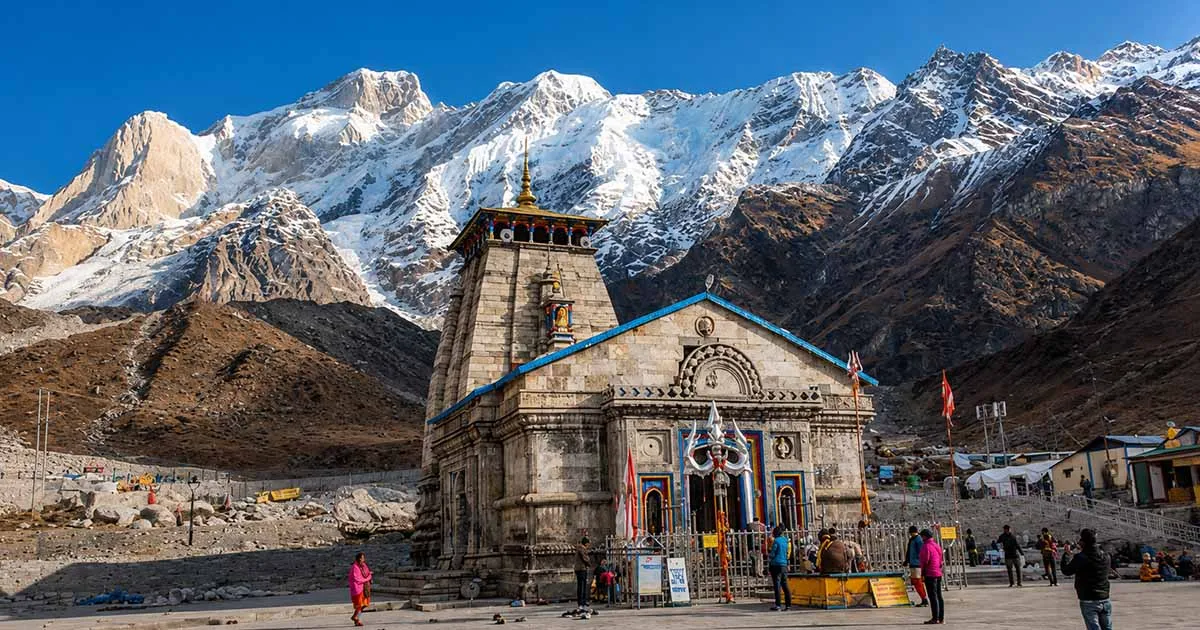
Nestled in the Garhwal Himalayas of Uttarakhand, Kedarnath Temple is one of the most sacred pilgrimage sites in India. Dedicated to Lord Shiva, Kedarnath holds immense religious importance as it forms part of the Chhota Char Dham circuit, the Panch Kedar, and is also one of the twelve Jyotirlingas. This triple significance makes the shrine spiritually powerful for devotees.
Located at a high altitude of around 3,583 metres above sea level, the journey to Kedarnath is physically demanding and requires careful planning. Sudden weather changes, high altitude, and limited facilities can make the yatra challenging if preparations are not done properly. That is why these Kedarnath Yatra travel tips are essential for pilgrims planning the journey in 2026.

Travel Tips for Kedarnath Yatra
This guide provides practical and updated travel tips to help you complete your Kedarnath Yatra smoothly and safely. From choosing the right time to visit to food, trekking, and accommodation, all important aspects are covered below.
Pick the Best Time to Visit Kedarnath
Due to extreme weather conditions, Kedarnath Temple remains open for only about six months every year. The best time to visit is when weather conditions are relatively stable and free from heavy snowfall or excessive rainfall.
Opening and Closing Dates for Kedarnath 2026
- Opening Date: 22 April 2026 (around Akshaya Tritiya)
- Closing Date: 6 November 2026 (tentative, based on Bhai Dooj)
Exact dates are announced by the temple committee after traditional rituals.
Peak Months to Visit
May to June:
This is one of the most popular periods for Kedarnath Yatra. Daytime temperatures generally range between 10°C and 20°C. The weather remains pleasant during the day, making darshan and trekking comfortable.
September to October:
Post-monsoon months offer clear skies and beautiful views of the surrounding valleys. Nights can be quite cold, so warm clothing is essential. This period is ideal for those who want fewer crowds.
Avoidable Seasons
July to August:
Heavy monsoon rains increase the risk of landslides, road blockages, and flight cancellations. Trek routes can become slippery and unsafe.
November to April:
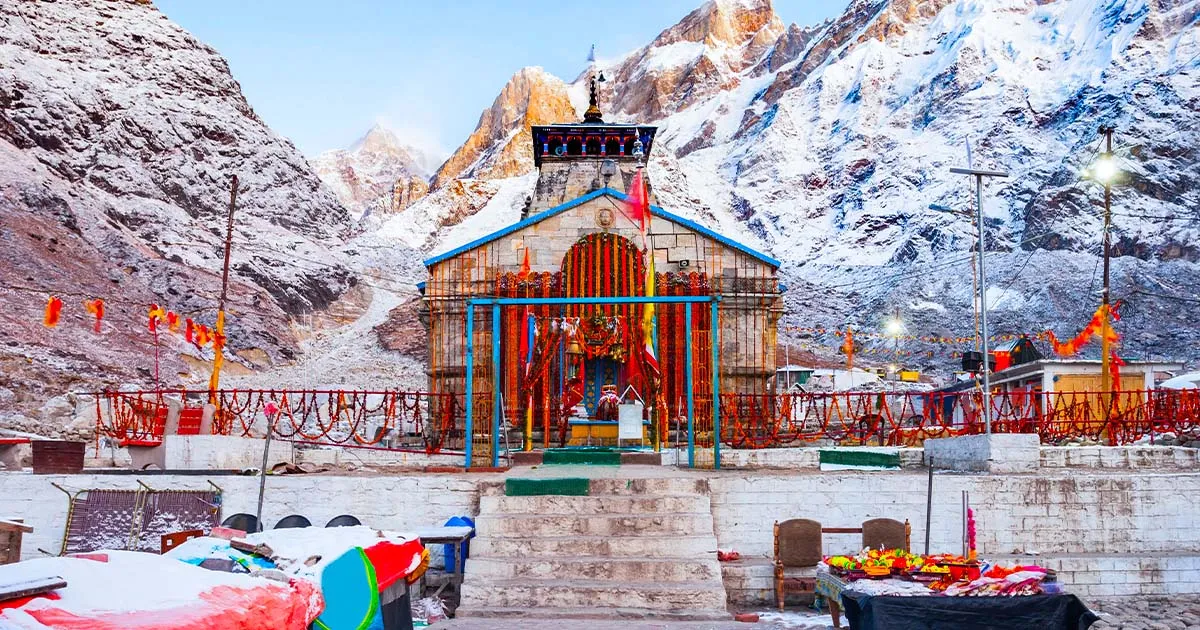
Due to heavy snowfall, the temple remains closed, and all religious activities are shifted to Ukhimath. Kedarnath Yatra is not possible during this period.
How to Reach Kedarnath
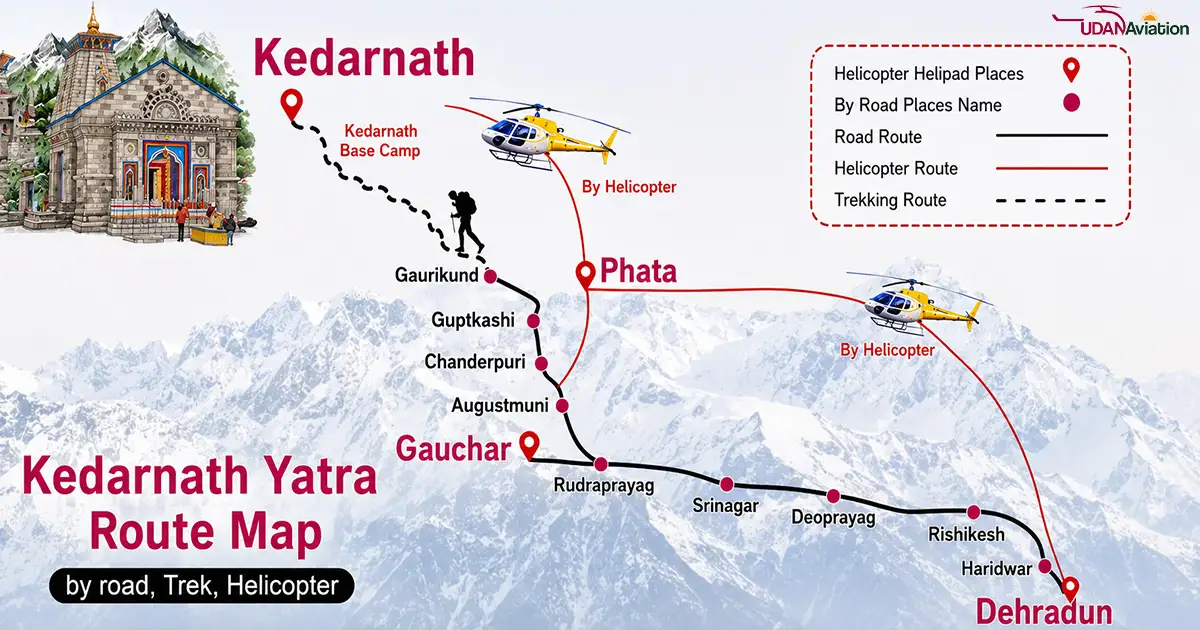
Pilgrims can reach Kedarnath through a combination of air, rail, road, and trekking routes.
1. By Air
The nearest airport is Jolly Grant Airport, Dehradun, located approximately 250 km from Kedarnath. From the airport, taxis and buses are available to reach Guptkashi, Sonprayag, or Phata.
2. By Train
The nearest railway stations are Haridwar and Rishikesh, both around 240 km from Kedarnath. From these stations, pilgrims can travel by road to Gaurikund or Sonprayag.
3. By Road and Trek
- Sonprayag to Gaurikund: 5 km by local/shared taxi
- Gaurikund to Kedarnath: 16 km trek
For those unable to trek, options such as pony, mule, palki, or helicopter services are available.
Accommodation in Kedarnath
Accommodation options near Kedarnath are limited due to its high-altitude location and environmental regulations. Basic facilities are available near the temple, while better options can be found in nearby towns.
Budget Options (INR 500 – INR 2,000 per night)
- GMVN guest houses
- Dharamshalas
- Tents and camps
Mid-Range Options (INR 2,000 – INR 4,000 per night)
- Small lodges
- 2–3 star hotels
- Homestays in Guptkashi and Sonprayag
Advance booking is strongly recommended during peak months.
Packing Essentials for Kedarnath Yatra
Weather conditions at Kedarnath can change quickly, and oxygen levels are lower at higher altitudes. Pack thoughtfully to avoid discomfort.
- Warm Clothing: Jackets, thermal wear, woollen socks, gloves, caps
- Rain Protection: Raincoat, poncho, waterproof covers
- Health Essentials: Personal medicines, first aid kit, ORS, dry fruits
- Trekking Gear: Comfortable trekking shoes, walking stick, backpack
- Other Essentials: Torch, power bank, sunscreen, sunglasses
Important Travel Tips for Kedarnath
1. Mandatory Yatra Registration
Registration for Kedarnath Yatra is compulsory for all pilgrims. It can be done online through the Uttarakhand government portal or offline at registration centres in Haridwar and Rishikesh.
2. Helicopter Booking Guidelines
Helicopter services operate from Phata, Guptkashi, and Sirsi. Tickets should be booked only through authorized portals. Weather conditions can affect flight schedules, so flexibility is important.
3. Trekking Safety Tips
- Start trekking early in the morning
- Maintain a slow and steady pace
- Take short breaks
- Stay hydrated but avoid overeating
4. Food and Langar Services
Free langar services are available along the route, offering hygienic vegetarian meals. Avoid consuming unhygienic street food during the trek.
5. Weather Precautions
Always check weather updates before starting your journey for the day. In case of heavy rain or snowfall, postpone travel for safety.
6. Prevent Altitude Sickness
- Take proper rest
- Avoid alcohol and smoking
- Carry portable oxygen cans
- Ascend gradually
Best Places to Visit Near Kedarnath

- Bhairavnath Temple: Located about 1 km uphill, believed to protect the Kedarnath valley
- Vasuki Tal: A high-altitude glacial lake, around 8 km from Kedarnath
- Shankaracharya Samadhi: Located behind the temple, dedicated to Adi Shankaracharya
- Gandhi Sarovar: A peaceful glacial lake near Kedarnath
Conclusion
Kedarnath Yatra is physically demanding but spiritually rewarding. With proper planning, updated information, and safety precautions, pilgrims can complete this sacred journey comfortably. These Kedarnath travel tips for 2026 aim to help devotees prepare better and experience the yatra with peace of mind and devotion.
Frequently Asked Questions
1. When does Kedarnath Temple open and close every year?
Kedarnath Temple usually opens in late April or early May on the occasion of Akshaya Tritiya and closes around late October or early November after Bhai Dooj. The exact dates are announced every year by the temple authorities.
2. Is registration mandatory for Kedarnath Yatra?
Yes, registration is mandatory for all pilgrims visiting Kedarnath. Yatra registration can be done online through the Uttarakhand government portal or offline at designated registration counters in Haridwar and Rishikesh.
3. How long is the trek from Gaurikund to Kedarnath?
The trekking distance from Gaurikund to Kedarnath Temple is approximately 16 km. Depending on physical fitness and weather conditions, the trek usually takes 6 to 8 hours.
4. Are helicopter services available for Kedarnath Yatra?
Yes, helicopter services are available for Kedarnath from helipads at Phata, Guptkashi, and Sirsi. Helicopter booking should be done only through authorized portals, and flights are subject to weather conditions.
5. What is the best time to visit Kedarnath?
The best time to visit Kedarnath is during May–June and September–October. These months offer relatively stable weather and safe travel conditions. The monsoon season (July–August) is generally avoided due to landslides.
6. Is Kedarnath Yatra suitable for senior citizens?
Yes, senior citizens can visit Kedarnath with proper planning. Helicopter services, palki, and mule options are available. However, elderly pilgrims should consult a doctor before travel and take precautions against altitude sickness.
7. What type of accommodation is available near Kedarnath?
Accommodation near Kedarnath mainly includes GMVN guest houses, tents, camps, and basic lodges. For better facilities, pilgrims can stay at nearby places like Guptkashi, Sonprayag, or Phata.
8. What kind of food is available during the Kedarnath Yatra?
Simple vegetarian food is available along the yatra route. Free langar services provide hygienic meals such as dal, rice, roti, and vegetables. Pilgrims are advised to avoid oily or junk food.
9. What precautions should be taken to avoid altitude sickness?
To prevent altitude sickness, pilgrims should walk slowly, take regular breaks, stay hydrated, avoid smoking or alcohol, and carry prescribed medicines or portable oxygen cans if needed.
10. Is Kedarnath Temple open during winter?
No, Kedarnath Temple remains closed during winter due to heavy snowfall. During this period, the idol of Lord Shiva is shifted to Ukhimath, where devotees can continue worship until the temple reopens in summer.
Kedarnath Tour