
For years, Indian aviation was a small, fragile industry. Flights were expensive, airports were few, and air travel was something only business travel
For years, Indian aviation was a small, fragile industry. Flights were expensive, airports were few, and air travel was something only business travelers or wealthy families considered. That reality is changing — but not in the neat, success-story way it often gets presented.
Yes, India’s aviation market is growing fast. Passenger numbers are rising, aircraft orders are huge, and new airports are opening. But behind this growth sits a complicated mix of pressure, infrastructure stress, regulatory gaps, and financial risk.
If you look closely, the future of Indian aviation is not a simple growth story. It’s a balancing act. And whether it becomes a global success or a long-term struggle depends on how well India handles the next 10–15 years.
Why Air Travel Is Expanding Beyond Metro Cities
One of the biggest shifts in Indian aviation is happening quietly, outside Delhi, Mumbai, and Bengaluru.
A decade ago, most domestic air traffic was concentrated between major metro routes. Smaller cities depended almost entirely on trains and long road journeys. That is no longer true.
Cities like Prayagraj, Gorakhpur, Dehradun, Jabalpur, Jharsuguda, Darbhanga, Hubli, and Belagavi now have regular commercial flights. This has changed travel behavior in practical ways:
- Students can travel home more easily
- Small business owners can reach markets faster
- Medical emergencies get quicker transport
- Pilgrimage and tourism circuits become viable
The government’s UDAN scheme deserves credit for this shift. But the uncomfortable reality is that many of these regional routes survive only because of subsidies. Once those incentives are withdrawn, airlines struggle to keep these flights profitable.
So while regional aviation is expanding, its long-term sustainability is still uncertain.
Passenger Growth: Big Numbers, Bigger Pressure
India is already the world’s third-largest domestic aviation market. Passenger traffic crossed 16 crore domestically in 2024, and total airport footfall crossed 400 million.
Those are impressive numbers — but they hide a serious problem.
India simply does not have enough airports, terminals, runways, gates, parking bays, air traffic controllers, or trained manpower to comfortably handle the traffic that’s coming.
Government projections suggest that annual passenger movement could cross 650 million by 2031. That’s nearly double in less than seven years.
In practical terms, this means:
- More congestion
- Longer security queues
- Overcrowded terminals
- Higher delay rates
- Increased pressure on safety systems
Infrastructure expansion is happening, but not at the same speed as passenger growth.
Airport Expansion: Progress, But Not Fast Enough
India has doubled its operational airports in the past decade, moving from around 74 to more than 160. Jewar Airport near Noida, Navi Mumbai Airport, Mopa Airport in Goa, and several new regional terminals are part of this push.
But building airports in India is slow.
Land acquisition battles, environmental clearances, political delays, financing constraints, and contractor inefficiencies stretch timelines far beyond original plans.
Even when airports are built, staffing, air traffic management, and last-mile connectivity lag behind. Many regional airports remain under-utilized because airline operations are not commercially viable.
The risk here is structural: passenger demand is growing faster than infrastructure capacity.
That imbalance always leads to operational stress.
Aircraft Orders: Smart Expansion or Risky Overconfidence?
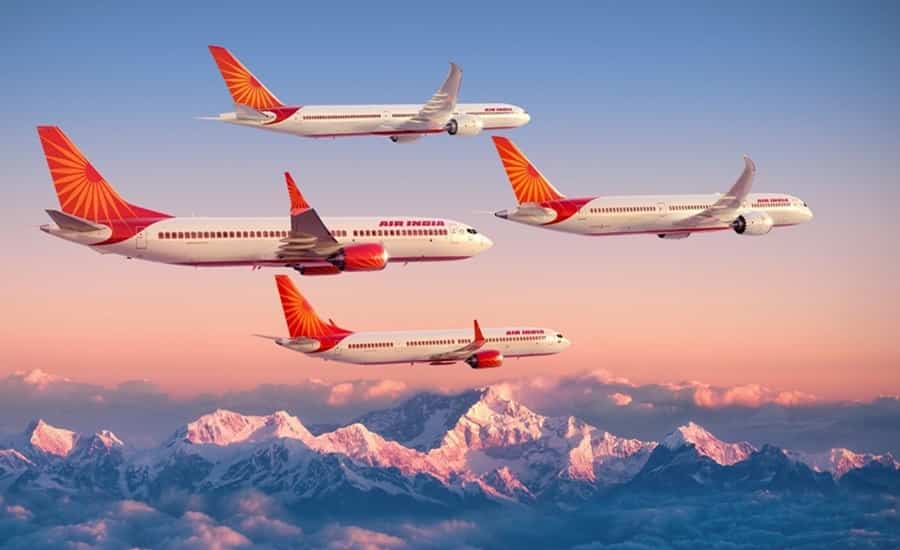
Indian airlines have placed some of the largest aircraft orders in global aviation history. IndiGo and Air India together have ordered more than 1,000 aircraft.
On paper, this looks visionary. In reality, it’s also risky.
Aircraft deliveries depend on global manufacturing supply chains. Engine shortages, component delays, and geopolitical disruptions have already slowed deliveries worldwide. Airlines are paying for planes they may not receive on time, while demand keeps climbing.
Then comes the financial side. Aircraft are expensive long-term assets. If demand slows, fuel prices spike, or currency weakens, debt burdens become heavy very quickly.
India has seen airline collapses before — Kingfisher, Jet Airways, Air Deccan, and others. Growth alone does not guarantee survival.
Regulatory Capacity: A Silent Weak Spot
This is one of the least discussed but most critical issues.
India’s aviation regulator, the DGCA, has struggled with staffing shortages for years. A significant portion of sanctioned posts remain vacant. This affects:
- Safety audits
- Aircraft inspections
- Pilot licensing
- Simulator approvals
- Maintenance oversight
As fleets and flight frequencies rise, regulatory supervision must scale proportionately. Otherwise, safety risks increase quietly, without obvious early warning.
No aviation system can grow safely without regulatory depth.
This is not a fear-based argument — it is an operational reality.
The Hidden Workforce Crisis
Every aircraft needs pilots, cabin crew, engineers, ground staff, and air traffic controllers. India will need tens of thousands of skilled professionals over the next decade.
But training capacity is limited.
Flying schools are expensive. Simulators are scarce. Instructors are in short supply. Licensing timelines are unpredictable. Many students invest huge sums only to face delays and uncertainty.
Unless India massively expands high-quality aviation training infrastructure, manpower shortages could become a serious growth bottleneck.
Air Cargo: The Quiet Growth Story
While passengers get attention, air cargo is quietly becoming one of the strongest pillars of Indian aviation.
E-commerce, pharmaceuticals, electronics manufacturing, perishables, and express logistics are pushing air freight volumes steadily upward.
Cargo operations tend to be more stable and less seasonal than passenger travel. For airlines struggling with thin margins, cargo can provide crucial revenue balance.
Over time, cargo hubs, dedicated freighter fleets, and multimodal logistics parks may reshape airport economics in India.
This is one of the most underappreciated shifts happening right now.
Sustainability: Growth Comes With Environmental Cost
Aviation is among the hardest industries to decarbonize. Fuel efficiency improvements help, but jet fuel remains a major carbon emitter.
Sustainable Aviation Fuel (SAF) is seen as the future, but it is expensive and limited in supply. India is still in early stages of SAF production.
As environmental regulations tighten globally, Indian airlines will face rising cost pressures. The challenge will be adopting sustainability measures without making air travel unaffordable for ordinary Indians.
This balance will define aviation economics over the next two decades.
Technology & Future Mobility: Promise vs Reality
AI-powered air traffic management, predictive maintenance, biometric boarding, drone logistics, and even air taxis all sound futuristic — and many pilots are already running.
But mass adoption will take time. Regulatory approvals, safety validation, public acceptance, and infrastructure readiness slow things down.
Electric aircraft may work for short regional hops after 2035, but replacing traditional jet fleets is far away.
The real near-term value of technology lies in efficiency improvements, not futuristic headlines.
Who Gains Most From Aviation Growth?
This transformation benefits:
- Tier-2 and Tier-3 cities
- Tourism and pilgrimage economies
- Export-driven MSMEs
- Logistics and e-commerce companies
- Maintenance and training institutions
It also changes lifestyle patterns — people travel more often, plan shorter trips, and expect faster connectivity.
Who Should Be Careful?
Aviation is capital-heavy, high-risk, and margin-thin.
- Small airlines without financial depth
- Investors expecting fast returns
- States lacking long-term aviation planning
- Training institutes cutting quality corners
These groups face real risks.
Aviation success is built on discipline, not just ambition.
The Real Future of Indian Aviation
Indian aviation is not just growing. It is restructuring the geography, economy, and mobility culture of the country.
But this growth carries pressure.
Infrastructure must catch up. Regulators must strengthen. Training systems must scale. Sustainability must become practical, not symbolic.
If India manages this balance, it will become one of the world’s most influential aviation markets.
If it fails, congestion, safety stress, financial instability, and environmental costs will hold the industry back.
The future is open — and fragile.
Genuine FAQs Based on Real User Concerns
1. Will flight tickets remain affordable in India?
Probably, but not always cheap. Fuel prices, airport fees, and sustainability mandates may slowly push fares upward.
2. Is regional air travel reliable long-term?
Only where passenger demand grows enough to replace subsidies.
3. Will India become a global aviation hub?
Partially. Cargo and transit traffic will grow, but hub dominance takes decades.
4. Are pilot jobs safe and stable?
Demand is strong, but training costs and career volatility remain high.
5. How serious is airport congestion?
Already visible in metro cities, and likely to increase without faster expansion.
6. Can India handle such fast growth safely?
Yes — but only with regulatory strengthening and manpower investment.
7. Is electric aviation realistic?
For short routes in the long term, yes. For mainstream travel, not yet.
8. What role will drones play?
Cargo, surveillance, agriculture, and emergency response, more than passenger transport.
9. Is aviation a good business investment?
High reward, high risk. Not suitable for conservative investors.
10. What will define success in Indian aviation?
Safety, efficiency, sustainability, and financial discipline — not just passenger numbers.
Also Read:

COMMENTS