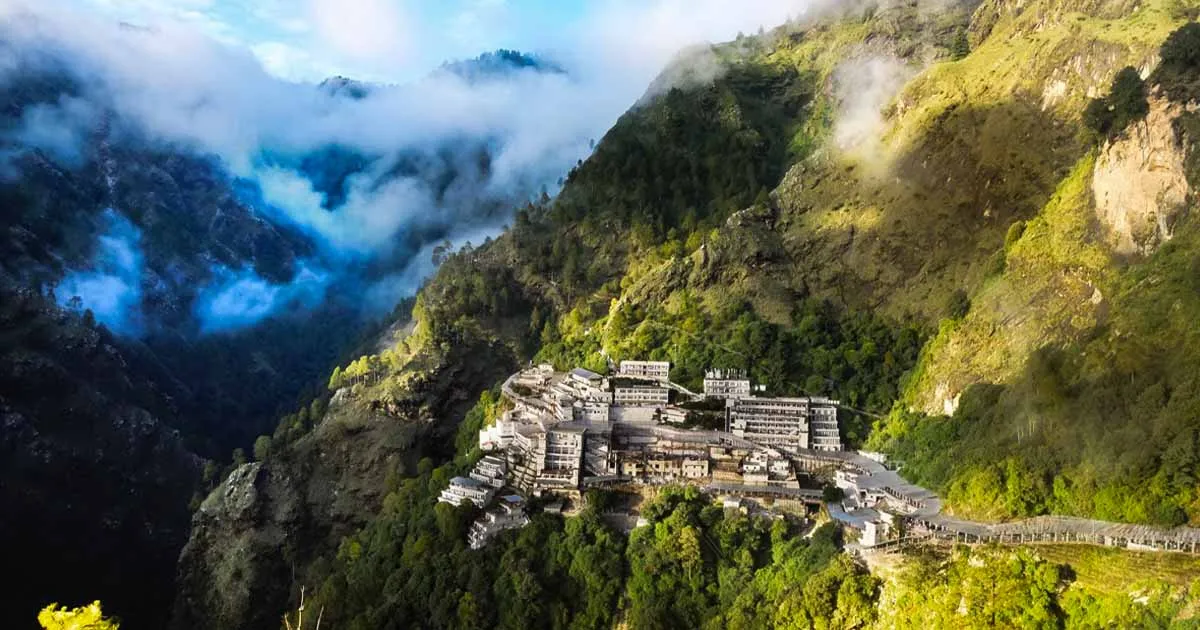
A pilgrimage to Mata Vaishno Devi Temple in the Trikuta Hills (Reasi district, Jammu & Kashmir) isn’t just a journey; for many devotees it’s a deeply spiritual undertaking. Unlike flatland temples, weather and terrain truly shape the experience. That’s why timing matters — not just for comfort, but for safety, visibility, and logistical ease.
This article breaks down the seasons with real‑world observations and data so you can make an informed choice that fits your priorities — be it crowd levels, weather, or spiritual significance. All information here is backed by current travel guides and weather insights.

What “Best Time” Really Means
When people ask about the “best time,” they often mix up comfortable weather, festive peak periods, safety, and crowd levels. Here’s how those differ in the context of Vaishno Devi:
- Comfortable Weather: Mild temperatures on the trek path (Katra → Bhawan).
- Festive Peak: Navratri periods — deeply spiritual but very crowded.
- Least Risks: Minimal rainfall, stable trails, and fewer weather disruptions.
- Solitude & Serenity: Off‑peak timing with smaller crowds.
Different pilgrims may prioritize different things — weather vs. crowd vs. spiritual calendar — so there’s no one “perfect” month for everyone.
Seasonal Breakdown (With Pros & Cons)
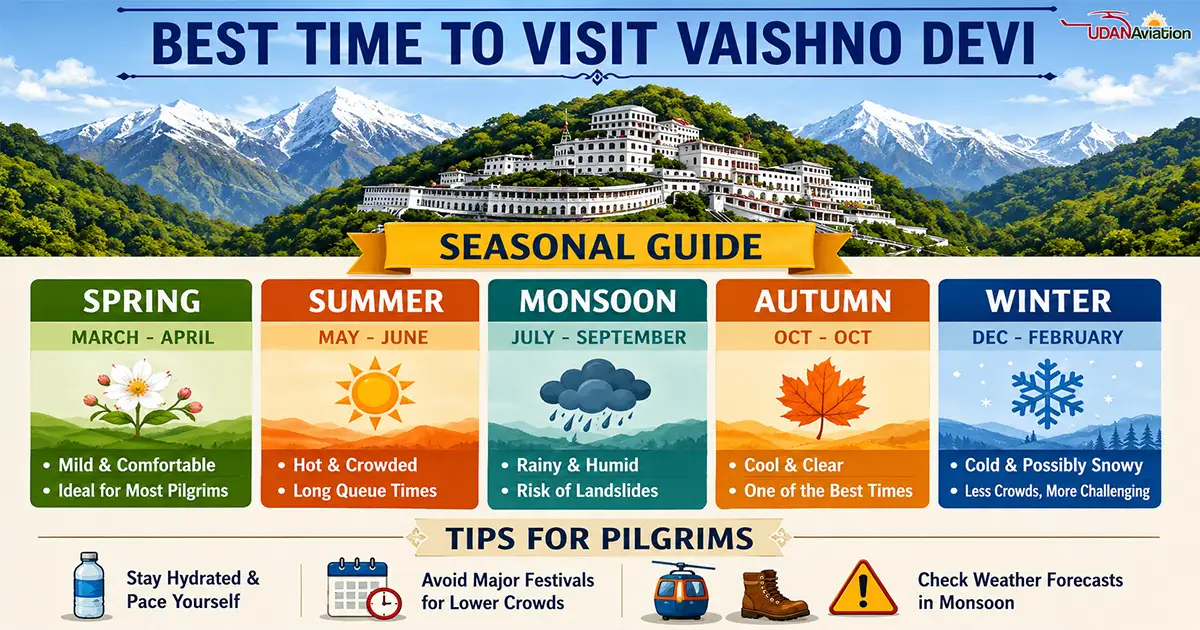
Here’s a side‑by‑side comparison of the four main seasons for Mata Vaishno Devi pilgrimage:
| Season | Best For | Typical Weather | Crowds & Risks | Notes |
|---|---|---|---|---|
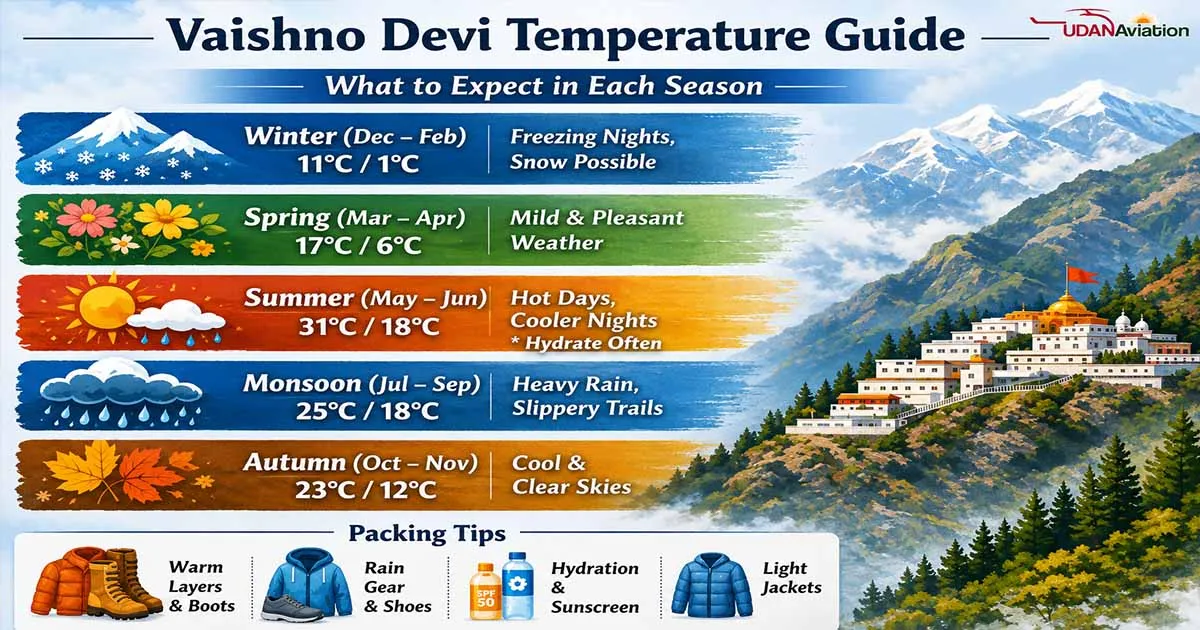
| Spring (Mar–Apr) | Comfortable weather, moderate crowds | 10–25°C; mild & pleasant | Moderate crowd; Navratri in March/April can spike numbers | Excellent balance of weather & manageable crowds. |
| Summer (May–Jun) | Families & first‑time visitors | 15–30°C; warm days | Peak pilgrimage volume | Full services & facilities; trek easier to plan. |
| Monsoon (Jul–Sep) | Nature lovers, quieter trails | 18–30°C; rain frequent | Slippery trail; landslide risk | Not advised for inexperienced trekkers. |
| Autumn‑Winter (Oct–Feb) | Spiritual seekers & solitude | -2°C to 20°C; crisp, clear skies | Lower crowds; possible snowfall | Cold trekking; snow may block paths at times. |
March to June – Spring & Summer: A Comfortable, Conventional Choice
For most pilgrims — especially first‑timers or families — March through June is widely recommended as the most convenient overall period.
Why this window works well:
- Pleasant Weather: Days are mild to warm; nights stay cool.
- Trek Accessibility: Paths are usually clear with fewer weather disruptions.
- Active Services: Helicopters, ropeways, ponies, and battery cars operate fully.
- Festive Peaks: Navratri in March/April brings spiritual energy, though also crowds.
Crowd Reality Check: This is peak travel season — especially during weekends and festival days — so accommodations in Katra and queue times at Bhawan will be higher. If you want fewer crowds within this window, early March or early June are slightly quieter than the core mid‑May period.
July to September – Monsoon: Scenic but Risky
Seeing the hills carpeted in green can be mesmerizing, but monsoon is not generally recommended for pilgrimages.
What the data and travel authorities warn about:
- Heavy Rainfall: Frequent showers make the trekking path slippery.
- Landslide Risk: Hills in this region are prone to occasional landslides during heavy rain.
- Service Disruptions: Helicopter and ropeway services may pause during bad weather.
That said, for experienced trekkers who prefer solitude and don’t mind rain gear, this season can feel peaceful and visually stunning — but it isn’t the easiest choice for elderly or very young pilgrims.
October to February – Autumn & Winter: Clear Views, Cold Trails
This window is often underrated — especially October and November — for its crisp air, clear skies, and festive aura, especially during Sharad Navratri.
Winter Reality:
December through February brings snow at higher elevations and very cold nights. The shrine stays open year‑round, but trekking can become physically demanding for those unaccustomed to cold.
Pros of Autumn/Winter:
- Golden autumn views, minimal rain.
- Less crowded on non‑festive days.
- Snow adds a tranquil, ethereal quality to the journey.
Cons:
- Cold weather slows the climb.
- Places closer to the Bhawan can be snow‑covered.
When to Avoid — and Why
There are times when travel disruptions aren’t just inconvenient — they can be risky or surprising:
- Peak Monsoon (mid‑July to August): Heavy rains may cause temporary closures of paths or railway operations.
- Unstable Weather Windows: There have been instances where authorities temporarily suspend the yatra due to sudden snowfall or storms, even in late winter or early autumn.
Checking local weather forecasts and Shrine Board advisories is always wise before departure.
Practical Advice for Picking Your Visiting Window
Here’s how to choose based on your priorities:
- If comfort matters most: Aim for March–June.
- If you want to avoid crowds: Choose late autumn (October–early November) or mid‑winter weekdays.
- If you seek festival energy: Plan for Navratri in March/April or September/October — but expect crowds.
- If you love scenic nature and low tourism: Monsoon can offer dramatic greenery if you can manage rain gear and terrain.
Final Word — There’s No “One Perfect Time”
The best time to visit Vaishno Devi temple ultimately depends on what matters most to you: comfort, weather, solitude, or spiritual timing. Mountains change quickly, and pilgrimage routes demand respect for weather dynamics as much as devotion. Use this guide to choose a period that aligns with your physical comfort, safety needs, and travel style — not just calendar dates.
FAQ’s
1. When is the best time for comfortable weather?
March to June is ideal, with temperatures from 10–30°C and clear trekking paths. Pilgrims can enjoy a safe and pleasant journey during this period.
2. Is it safe to visit Vaishno Devi during monsoon?
July to September brings heavy rainfall, slippery trails, and occasional landslides. Only experienced trekkers with rain gear should attempt the pilgrimage then.
3. How cold is it in winter?
December to February can be very cold, with temperatures sometimes below freezing at higher elevations. Warm clothing and trekking gear are essential.
4. When is the shrine most crowded?
Navratri (March/April and September/October) attracts large crowds, leading to longer queues and full accommodation. Visiting on weekdays can reduce waiting times.
5. How can I avoid crowds?
Late October to early November and mid-winter weekdays usually have fewer pilgrims, offering a more peaceful trek and shorter queues.
6. How long does the trek from Katra to Bhawan take?
On average, it takes 5–7 hours round trip on foot. Using ponies, palkis, or helicopter services can significantly reduce travel time.
7. Do weather conditions affect helicopter or ropeway services?
Yes, heavy rain, snow, or storms may suspend operations. Always check official updates before planning these services.
8. Are there risks of accidents or injuries?
Minor slips are common, especially during rain or snow. Landslides are rare but possible in the monsoon; proper footwear and caution are advised.
9. Which season balances weather and crowd levels?
Spring (March–April) is ideal for moderate temperatures and manageable crowds. Autumn (October) is also good for fewer visitors but cooler conditions.
10. Where can I find official guidance for planning?
The Vaishno Devi Shrine Board website provides updates on trekking paths, helicopter services, and weather advisories to ensure a safe pilgrimage.
Jai Mata Di. 🚩
Also Read: