Planning a Char Dham by helicopter tour? Here’s one thing most people get wrong — they pack like they’re going on a road trip. You’re not. You’re flying into one of the world’s most extreme high-altitude pilgrimage circuits, with a strict 5 kg baggage limit and weather that can flip from sunny to icy in under an hour. This guide on packing tips for Char Dham helicopter tours will help you figure out exactly what to carry, what to leave behind, and how to fit it all into a 5 kg soft duffel.
The four sacred shrines — Yamunotri, Gangotri, Kedarnath, and Badrinath — are nestled between 3,000 and 3,583 metres above sea level. That altitude matters a lot when it comes to what you wear, eat, and carry.

Why Packing Light Is Non-Negotiable on Char Dham Helicopter Tours
This isn’t a soft guideline. It’s aviation law in the mountains.
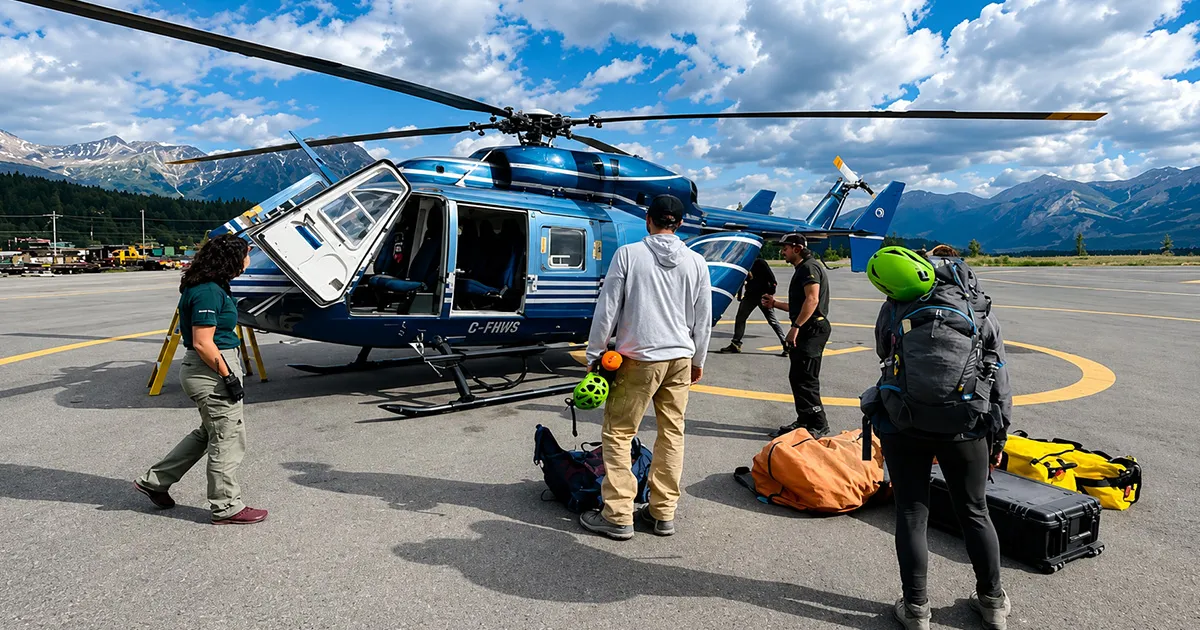
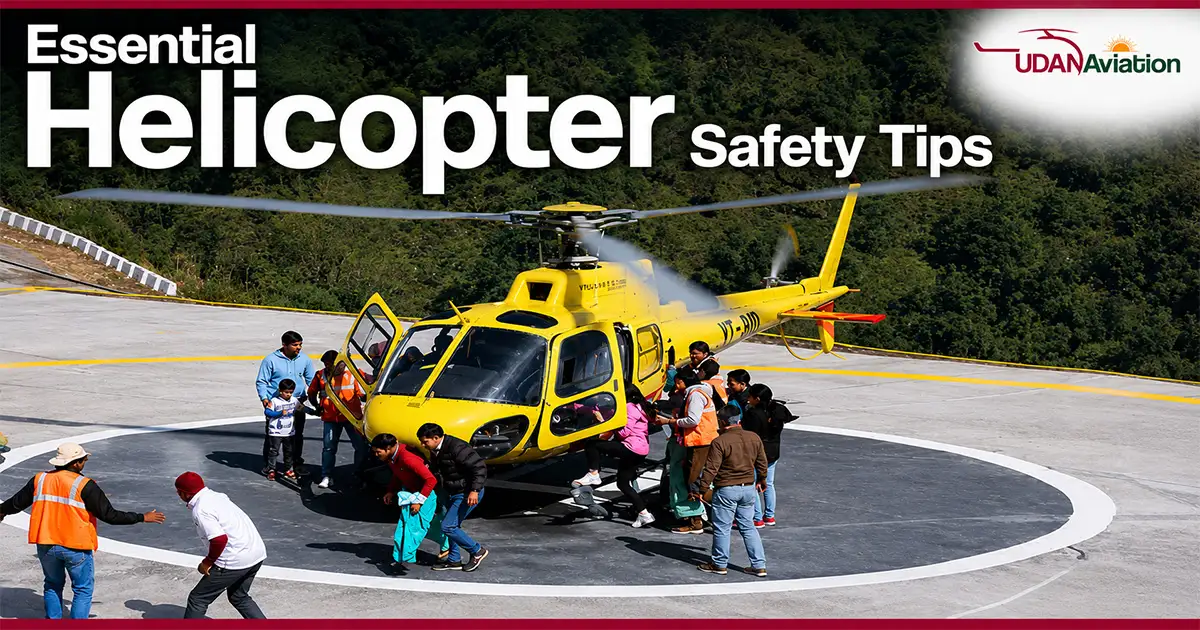
Most Char Dham helicopter tour operators use Airbus AS350 B3 helicopters, which seat 6 passengers with a total combined weight cap of roughly 450–480 kg (passengers + baggage). If you show up heavier than declared or with extra bags, you either pay steep overages or get offloaded. No exceptions.
Here are the standard rules across most DGCA-approved Char Dham helicopter operators:
| Rule | Limit | Penalty / Note |
| Baggage weight | Max 5 kg per person | Excess bags removed at helipad |
| Bag type | Soft duffel bag only | Hard suitcases not allowed |
| Body weight | Up to 75 kg per person | ₹2,500–₹3,500 per extra kg |
| Group load cap | ~450–480 kg total | Passengers may be split across flights |
Most operators — including Himalayan Heli — provide a soft duffel bag on arrival. Weigh your packed items at home before departure. That small step saves a lot of chaos at the helipad.
Char Dham Helicopter Tour Packing List: What to Actually Carry
Clothing: Layer Smart, Not Heavy
The Himalayas don’t care what season you’ve booked in. Even in May or June, early mornings at Kedarnath or Badrinath can dip below 5°C. Pack for warmth, but keep it light and layered.
- Thermal innerwear — 2 sets (top and bottom)
- Lightweight woollen sweater or fleece jacket
- Windcheater or rain jacket — compact, foldable
- Full-sleeve shirts — 2 to 3 (quick-dry preferred)
- Track pants or comfortable full-length trousers — 2 pairs
- Woollen socks — 3 pairs
- Woollen gloves and a muffler or neck warmer
- Comfortable walking shoes with grip (NOT sandals for temple walks)
- A pair of slip-on sandals for hotel use
What most people don’t realize is that temple dress codes also apply. Both men and women should wear modest, full-length clothing at all four dhams. Avoid tight jeans or anything revealing.
Documents: Keep Everything in One Pouch
At every helipad and hotel check-in, your documents will be checked. Keep them in a single ziplock or document pouch inside your bag — always accessible.
- Government-issued photo ID: Aadhaar card (Indian nationals), valid passport (foreign nationals)
- Uttarakhand Char Dham Yatra registration printout (mandatory — register at registrationandtouristcare.uk.gov.in)
- Helicopter booking confirmation (printed or on phone)
- Medical fitness certificate, if recommended by your doctor
- Travel insurance documents
- Emergency contact numbers written on paper
Medicines and Health Essentials
Medical facilities are scarce at Yamunotri and Kedarnath. Don’t rely on finding a pharmacy there.
- Personal prescription medications — carry enough for the full trip plus 2 extra days
- ORS sachets and glucose powder — altitude drains energy fast
- Diamox (Acetazolamide) — only if prescribed by a doctor for altitude sickness prevention
- Personal oxygen can — compact portable versions are available at medical stores in Dehradun
- Basic first-aid: bandages, antiseptic cream, antacids, pain relief tablets
- Lip balm and sunscreen SPF 50+ — UV radiation is significantly stronger at high altitude
On the ground, BSNL and Jio offer the best mobile coverage at Harsil and Badrinath. Airtel works at Kharsali and Sersi. In areas where connectivity is patchy, carry emergency contact numbers on paper.
Rain Gear — Even in Summer
Even in May and June, sudden showers are common across the Char Dham circuit. If you’re travelling between July and mid-September (which operators generally advise against due to cancellations), rain gear is absolutely non-negotiable.
- Lightweight rain jacket — compact enough to fold into a bag pocket
- Waterproof shoe cover or a spare pair of quick-dry socks
- Small portable umbrella — optional, but useful during ground transfers
Gadgets and Electronics — Keep It Minimal
Every gram counts. A smartphone with a good camera covers most photography needs. Still cameras and portable video cameras are allowed in the Himalayan ranges, but photography inside the temples is strictly prohibited.
- Smartphone with charger
- Portable power bank — charging points are limited at remote stays
- Universal travel adapter if needed
- Small torch or headlamp
Skip the DSLR, extra lenses, tablets, and laptops. They add weight and risk, and you won’t realistically use them.
Spiritual and Temple Essentials
This is still a pilgrimage, and a few small items make the experience more personal and meaningful.
- Temple offerings — flowers, coconut, incense sticks (buy fresh at the Dhams)
- Small prayer book or holy texts
- Rudraksha mala or personal devotional items
- Reusable water bottle — insulated to keep water warm at altitude
- Light energy snacks — dry fruits, protein bars, glucose biscuits
Cash Management
ATMs are unreliable at most Char Dham locations. The helicopter tour package usually covers accommodation, meals, and VIP Darshan passes. But you’ll still need cash for donations, pony/palki rides (Yamunotri), personal expenses, and tips.
- Carry ₹3,000–₹5,000 in cash, mostly in small denominations of ₹50 and ₹100
- UPI payments work at some shops — BSNL and Jio data connectivity helps
- Keep cash in a separate inner pocket, not loose in your bag
What to Pack vs What to Skip: Quick Reference
| ✅ Pack This | ❌ Skip This |
| Thermal innerwear (2 sets) | Hard-shell suitcase |
| Lightweight woollen jacket | Heavy denim or multiple jeans |
| Rain jacket / windcheater | DSLR camera + extra lenses |
| Govt-issued photo ID (Aadhaar) | Laptop or tablet |
| Yatra registration printout | Jewellery or valuables |
| Essential medicines + ORS sachets | Full first-aid box |
| Personal oxygen can | Alcohol-based energy drinks |
| Comfortable grip shoes | Heels or formal footwear |
| Cash in small denominations | Excessive credit cards |
Common Packing Mistakes on Char Dham Helicopter Tours
From practical experience, here are the mistakes that catch pilgrims off guard:
- Packing a hard-shell suitcase — not allowed on any helicopter; soft duffel only
- Underestimating the cold — even June nights at Kedarnath drop below 5°C
- Forgetting Yatra registration printout — mandatory; without it, Darshan and boarding can be denied
- Carrying too many medicines ‘just in case’ — a heavy first-aid kit eats your weight allowance; carry targeted essentials only
- Ignoring footwear — smooth-soled shoes are dangerous on wet temple stairs; grip is essential
- Declaring incorrect body weight at booking — incorrect weight can lead to denied boarding with no refund
- Relying on card payments — most remote stalls and donation counters are cash only
Safety Tips for High-Altitude Helicopter Travel
The four dhams range from 3,000 to 3,583 metres. Altitude sickness can affect healthy adults, especially when the ascent is this fast — helicopter tours don’t allow gradual acclimatization.
- Go slow on the ground after landing — don’t rush to cover Darshan quickly
- Stay hydrated — drink water frequently; avoid alcohol and caffeine as they worsen altitude effects
- Eat light — carbohydrates are easier to digest at high altitude; avoid heavy or oily food
- Watch for AMS symptoms: headache, nausea, breathlessness, dizziness — descend if symptoms worsen
- Request oxygen at the helipad if your SpO2 drops below 90% — operators carry oxygen cylinders
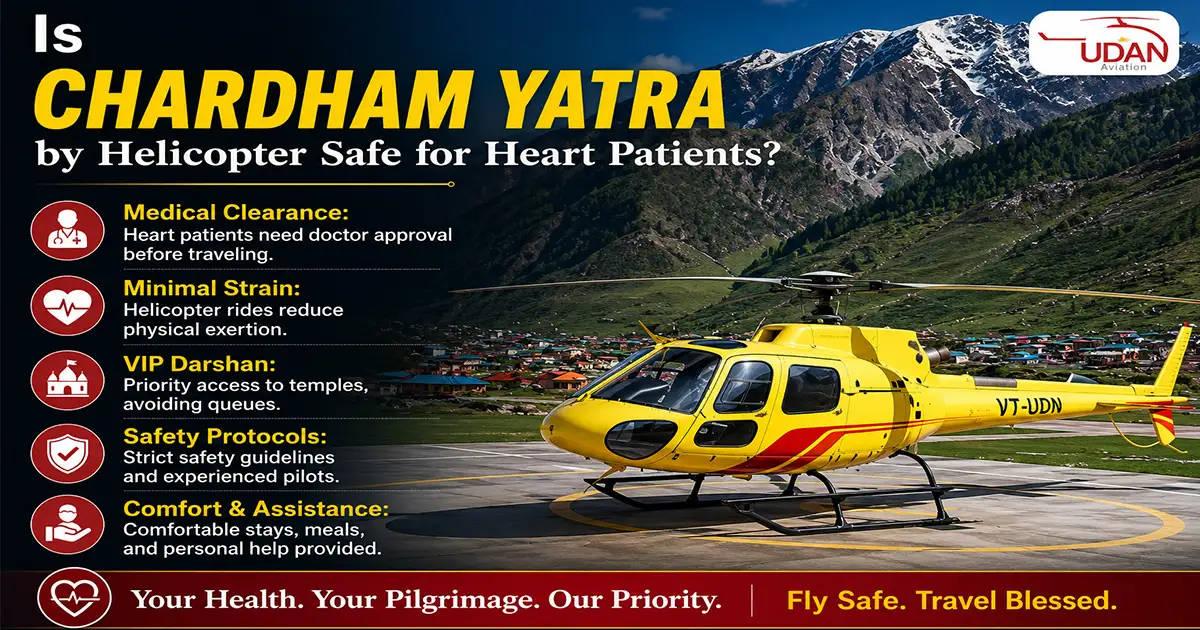
- Consult your doctor before travel if you have a heart condition, asthma, or any respiratory issue
- Senior citizens and those with mobility issues should inform the operator in advance — palki assistance is available at Yamunotri
FAQs
Q-1: How much baggage is allowed on a Char Dham helicopter tour?
Most operators allow one soft bag of maximum 5 kg per passenger. Hard suitcases are not permitted. A duffel bag is typically provided by the operator on the day of departure. Excess baggage charges range from ₹2,500 to ₹3,500 per extra kg.
Q-2: Is woollen clothing necessary even in summer?
Absolutely. Even during May and June, temperatures at Kedarnath and Yamunotri can fall sharply in the early morning and evening. Thermal innerwear and a lightweight jacket are non-negotiable regardless of the season.
Q-3: What documents are mandatory for Char Dham helicopter yatra?
You need a government-issued photo ID (Aadhaar for Indian nationals, passport for foreign nationals), the Uttarakhand Char Dham Yatra registration number, and your helicopter booking confirmation. Some operators also require a medical fitness certificate.
Q-4: Can I carry a camera or phone on the helicopter?
Yes, personal smartphones and portable cameras are allowed. Photography inside the temples is strictly prohibited. Avoid carrying heavy DSLR equipment — it adds unnecessary weight within the 5 kg limit.
Q-5: Are meals included in a Char Dham helicopter package?
Most packages include meals at all four Dhams and at Dehradun accommodation. Pure vegetarian food is served, with Jain (no onion/garlic) options usually available on request. Meals during ground transfers and personal snacks are typically not covered.
Q-6: What is the best way to book Char Dham helicopter tickets?
For shuttle services to Kedarnath specifically, IRCTC’s official HeliYatra portal (heliyatra.irctc.co.in) is the government-authorised booking channel. For full Char Dham helicopter packages (all four Dhams), book through DGCA-approved private operators. Book at least 60 days in advance for the May–June season.